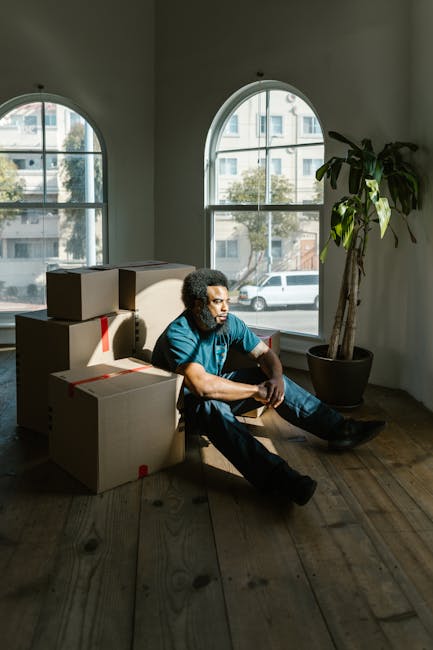
Removals in Clapham Common best routes and parking tips
Moving around Clapham Common sounds simple on paper: a van, a few boxes, a bit of traffic, job done. In real life, though, the day can turn into a puzzle of one-way streets, tight parking bays, busier-than-expected junctions, and neighbours who have also decided to move at exactly the same time. If you are planning removals in Clapham Common best routes and parking tips matter because the wrong route can waste time, add stress, and make loading awkward before you have even lifted the sofa.
This guide is built for the practical side of the move. It covers the roads people usually rely on, how to think about parking near the Common, what to do if access is tight, and how to keep the whole day flowing. You will also find a checklist, comparison table, and a few hard-earned tips that save hassle on London streets. Let's face it, moving day is busy enough without circling the block for twenty minutes.
Table of Contents
- Why Removals in Clapham Common best routes and parking tips Matters
- How Removals in Clapham Common best routes and parking tips Works
- Key Benefits and Practical Advantages
- Who This Is For and When It Makes Sense
- Step-by-Step Guidance
- Expert Tips for Better Results
- Common Mistakes to Avoid
- Tools, Resources and Recommendations
- Law, Compliance, Standards, or Best Practice
- Options, Methods, or Comparison Table
- Case Study or Real-World Example
- Practical Checklist
- Conclusion
- Frequently Asked Questions
Why Removals in Clapham Common best routes and parking tips Matters
Clapham Common sits in a part of south London where local traffic patterns can change quickly. School runs, weekend leisure traffic, weather, and roadworks can all influence how easy it is to get a vehicle close to your property. That is why route planning and parking preparation are not small details. They are often the difference between a calm move and a day filled with avoidable backtracking.
The roads around the Common can also vary a lot from one address to the next. Some properties have decent frontage and straightforward loading, while others sit on narrower residential streets with limited stopping space. If you are moving from a flat above a shop, a townhouse with a shared entrance, or a building with a busy forecourt, you need a plan before the van arrives.
There is another reason this matters: moving crews work best when they can keep a steady rhythm. Short carry distances, sensible parking, and clear access mean fewer delays and less risk of damage. A fridge being wheeled half a street on a damp afternoon is nobody's favourite moment. A little planning saves a lot of that nonsense.
For households and businesses alike, route and parking planning also helps with budgeting. The more time a team spends fighting access issues, the less efficient the move becomes. If you are comparing different moving options, it can be worth reading about home moves and the support available for house removalists so you can match the service to the complexity of your address.
How Removals in Clapham Common best routes and parking tips Works
Think of the process in three layers: route choice, arrival timing, and parking/access management. Each layer affects the next one. If the route is good but the parking is poor, the move still slows down. If parking is sorted but the route crosses peak congestion, you may arrive late and lose your loading window. Pretty simple, but easy to overlook when you are busy packing plates into newspaper at 10pm.
For local removals, the route is usually less about chasing the shortest distance and more about choosing roads that are predictable, easier for larger vehicles, and less likely to surprise you with awkward turns or unnecessary waiting. A smaller vehicle can tolerate tighter streets more easily. A larger removal truck needs extra room, a clearer approach, and sensible turning space. If the job is substantial, a dedicated moving truck or removal truck hire option may be more appropriate than trying to squeeze everything into one small run.
Parking is usually the most sensitive part. Around Clapham Common, you should assume that the best spot may not be directly outside the front door. That is normal. The aim is to reduce carry distance without blocking traffic, compromising safety, or creating a parking problem you then have to explain mid-move. If you are using a smaller crew, a man and van or man with van setup can be particularly useful because it tends to suit quicker, more flexible local access.
Here is the practical flow most smooth moves follow:
- Check the property access, including entrance width, staircases, and any loading restrictions.
- Choose a route that avoids unnecessary congestion and awkward vehicle movements.
- Arrive at a sensible time for your street and building type.
- Reserve or confirm parking arrangements where needed.
- Keep the loading area clear so the team can work safely and quickly.
The principle is simple. Make the van's life easier and your move gets easier too.
Key Benefits and Practical Advantages
Good route and parking planning gives you more than convenience. It reduces pressure across the whole move. That might sound obvious, but the effect is real.
- Faster loading and unloading: A parked vehicle close to the entrance shortens carry times and helps keep the day on schedule.
- Lower risk of damage: Fewer long carries mean fewer chances to knock furniture, chip walls, or bump door frames.
- Less stress for everyone: When the route is sorted and the parking spot is ready, the whole move feels more controlled.
- Better use of labour: Crews spend time moving items, not navigating difficult access or hunting for parking.
- Improved safety: Safe parking and clear walkways reduce the chance of trips, slips, or awkward lifts.
There is also a subtle benefit that people often miss: good planning makes packing decisions easier. If you know access is tight, you may choose smaller boxes, more careful furniture dismantling, or extra protection for delicate items. If you are still deciding how much help you need, a service like packing and unpacking services can take a fair bit of pressure off before moving day even starts.
Expert summary: In Clapham Common, the winning strategy is usually not the fanciest route. It is the most predictable one, paired with sensible parking and a realistic loading plan. That boring answer, honestly, is often the best answer.
Who This Is For and When It Makes Sense
This approach is useful for almost anyone moving in or out of the Clapham Common area, but it matters most in a few common situations.
Households moving from flats or terraced homes: If your home sits on a narrow street or has limited outside space, route and parking planning can save a lot of effort. Even one extra minute carrying a wardrobe adds up quickly.
Families moving locally: Local moves often feel easier because the distance is short, but access issues can still slow everything down. It is a bit deceptive, really. Short distance does not always mean short day.
People moving bulky or delicate items: Sofas, beds, mirrors, pianos, and large appliances need a parking setup that keeps the carry route short and safe. If you only need help with a few large items, a furniture pick-up service may be useful in some cases.
Office movers and commercial tenants: If the move involves desks, monitors, files, or stock, the route needs to suit business schedules as well as vehicle size. For more involved relocations, it can help to look at office relocation services or broader commercial moves.
People using a limited timeframe: If the building has a narrow loading window, parking and access become essential. One bad choice can throw off the whole timetable.
To be fair, if your property has straightforward off-street access, you may not need much special planning. But if there is any doubt, it is worth spending ten minutes now rather than twenty stressful minutes later.
Step-by-Step Guidance
Here is a simple, practical way to plan removals in Clapham Common best routes and parking tips without overcomplicating it.
1. Start with the property, not the van
Before choosing a route, look at the building itself. Is there a driveway, a loading bay, or enough space outside to stop briefly? Are there stairways, railings, or tight corners? A crew can adapt to many things, but only if they know what they are dealing with.
2. Decide what size vehicle actually fits the job
Smaller jobs can sometimes be handled with a van, while larger house moves may need a bigger vehicle. Choosing the wrong size is one of those mistakes people only notice once the first load is ready and the vehicle is already full. Not ideal.
If you are unsure, a professional team can advise whether man and van support is enough or whether a larger moving truck makes more sense.
3. Identify the best route for vehicle access
For local removals, the best route is usually the one that keeps the vehicle on roads that are easier to navigate and less likely to create delays. You are looking for predictability. Fewer awkward turns. Fewer stop-start bottlenecks. Less chance of getting boxed in behind delivery traffic.
In practical terms, that usually means avoiding route choices that force a large vehicle through needlessly narrow residential streets unless there is no alternative. If you have to choose, let safety and access come before shaving off a minute or two.
4. Sort parking before the van arrives
Parking is where many local moves succeed or fail. Check whether there is an obvious legal place to stop close to the property, and make sure the driver knows exactly where that is. If formal parking permissions or temporary arrangements are needed, sort them early. The last thing you want is a van parked somewhere "probably fine" while someone is reading a notice board in the rain.
5. Pack for the access you actually have
If the carry distance is longer than expected, smaller and stronger boxes often work better than overfilled heavy ones. For a tight staircase or a top-floor flat, that small adjustment makes the whole job smoother. It also protects your back. Which is nice.
6. Protect the route inside and outside
Use door protection, floor coverings, and careful stacking in the vehicle. Around the Common, weather can change the job too. A damp footpath, muddy entrance, or wet box can make handling trickier. Simple protection goes a long way.
7. Build in a small buffer
Give yourself extra time for traffic, parking, or an awkward item that needs dismantling. Even a fifteen-minute cushion can stop the day feeling rushed. And if it turns out you do not need it, great. Better to have an idle buffer than an anxious one.
Expert Tips for Better Results
These are the little things that tend to separate a smooth move from a merely survivable one.
- Do a quick street walk the day before: A two-minute look at the entrance, kerb space, and any signs can reveal more than a guess made from memory.
- Tell the crew about awkward items early: Fridges, mirrors, glass tables, bikes, and plants can change the loading sequence.
- Label boxes by room and priority: The faster the first unload goes, the easier the rest of the day becomes.
- Keep a "first hour" bag separate: Kettle, charger, documents, toiletries, and snacks. Simple, but so helpful.
- Leave room at the front door: A clear threshold makes loading less clumsy and reduces the chance of knocks and scuffs.
- Think in terms of carry distance: A legal parking space a little farther away may still be better than a risky stop directly outside.
One small human truth from moving days: the thing people think will be the problem often is not the problem. It is the tiny overlooked thing, like a parked car in the wrong place or a box that is just a bit too wide for the hallway. That is why planning pays off.
If your move includes storage, long carries, or extra handling, it can be worth looking at the broader service mix available through home moves so you can match the support to the reality of the day rather than the fantasy version of it.
Common Mistakes to Avoid
Most local moving issues are not dramatic. They are small planning misses that snowball. Here are the ones worth avoiding.
- Assuming parking will "sort itself out"
Sometimes it does. Often it doesn't. Do not leave it to chance.
- Choosing the shortest route without checking road suitability
The shortest route is not always the easiest for a van or truck. Predictability matters more.
- Underestimating the time needed for access
Third-floor flat, no lift, narrow stairwell? That is not a five-minute detail.
- Overpacking boxes
Heavy boxes slow everything down and create handling risks. They also make the move feel endless.
- Leaving furniture preparation until the morning of the move
If something needs dismantling, measure it, plan it, and do it early if possible.
- Not telling the moving team about restrictions
Height barriers, controlled zones, access codes, or building rules should be shared in advance.
And yes, people do forget these things. More often than they'd like to admit. Nobody moves perfectly. The aim is simply to avoid the predictable headaches.
Tools, Resources and Recommendations
You do not need a complicated toolkit, but a few practical items and habits make a real difference.
| Tool / Resource | Why it helps | Best used for |
|---|---|---|
| Printed moving plan | Keeps the route, timings, and contacts in one place | Whole-day organisation |
| Box labels and marker pens | Speeds up unloading and room placement | Sorting and unpacking |
| Furniture blankets and wraps | Protects surfaces during loading | Wardrobes, tables, appliances |
| Floor protection | Reduces dirt and scuffs in entrances and hallways | Shared homes and flats |
| Phone notes with access details | Useful for sharing gate codes, parking notes, and contact names | Last-minute coordination |
It also helps to choose a moving service that fits the complexity of your job. For straightforward local moves, a flexible vehicle-led option may be enough. For heavier loads or more careful handling, a larger team can be worth it. If you are comparing vehicle options, have a look at removal truck hire alongside smaller-scale choices so you can decide what actually suits the property.
If you are moving an office, retail unit, or mixed-use space, the planning should be even more methodical. There are files, IT kit, and maybe a few fragile bits nobody wants to be responsible for. A dedicated office relocation services page can be a useful place to start, depending on the job size.
Law, Compliance, Standards, or Best Practice
Moving in London is not usually a heavily regulated event in itself, but there are still important best-practice points to respect. The key ones are parking, access safety, and considerate loading. You should always park legally, avoid blocking drives or footways, and make sure the team can load without putting pedestrians or other road users at risk.
If temporary arrangements or local permissions are needed, check them carefully before moving day. Building rules can also matter: some blocks require prior notice, lift protection, or specific loading times. These are not just formalities. They are there to stop damage and reduce disruption for everyone in the building.
From a removals perspective, the industry norm is simple: plan for safe access, keep items secure in transit, and communicate restrictions clearly. If you are using a professional team, it is reasonable to expect them to ask about access, parking, staircases, and any fragile items. If they do not, that is a bit of a red flag, truth be told.
Also, if you are moving business stock, archived files, or sensitive equipment, keep your own compliance needs in mind. Some items require extra care for privacy or security reasons. That is not overthinking it. That is just sensible.
Options, Methods, or Comparison Table
Different move types suit different access conditions. Here is a simple comparison to help you think it through.
| Option | Best for | Parking and route flexibility | Main trade-off |
|---|---|---|---|
| Man and van | Small to medium local moves, a few rooms, quicker jobs | High flexibility on tighter streets | May not suit larger house loads |
| Moving truck | Larger domestic or commercial loads | Needs more careful route planning | More space required for parking and loading |
| Removal truck hire | Moves needing bigger capacity or dedicated transport | Good if access can support the vehicle | Less forgiving on narrow roads |
| Full home move support | Busy household relocations with packing and handling needs | Depends on the team and vehicle chosen | More coordination, but usually less stress |
The right choice depends on more than volume. Access matters just as much. A small move on a difficult street can be more awkward than a larger move from a property with great parking. That catches people out all the time.
Case Study or Real-World Example
Imagine a couple moving from a top-floor flat near Clapham Common into a house a few streets away. On paper, the move looks simple. It is local, the weather is decent, and the list of items is manageable. But the flat has a narrow staircase, the street outside is busy by mid-morning, and there is no easy place to stop directly at the front.
They plan ahead. The moving team arrives slightly earlier than the main traffic peak. The driver uses a route that avoids the tightest local turn. One resident has already moved a car, so the loading spot becomes usable without blocking anyone. Boxes are labelled by room, the sofa is wrapped, and the carry route is kept as short as possible. No drama. No repeated back-and-forth.
Now compare that to a less prepared version. The van arrives late, the closest legal parking space is occupied, and the team has to improvise. Suddenly the sofa needs a longer carry, the hallway gets crowded, and the move stretches out. Same address type, same distance, very different day.
That is the real lesson. Better routes and parking are not glamorous, but they are powerful. A move can feel almost calm when the access plan is right. Almost.
Practical Checklist
Use this checklist a day or two before the move, then again on the morning itself.
- Confirm the exact addresses and postcode details.
- Check the best vehicle size for the load.
- Walk the access route from street to door.
- Note any stairs, lifts, or narrow corners.
- Identify a legal parking option near the property.
- Share access codes or building instructions.
- Label boxes by room and priority.
- Protect fragile items and furniture surfaces.
- Keep a first-day essentials bag separate.
- Leave a buffer for traffic or unexpected delays.
- Make sure mobile phones are charged.
- Have payment, ID, or paperwork ready if needed.
If you tick those off, you are already ahead of many moving days. Honestly, that is half the battle.
Conclusion
Removals in Clapham Common best routes and parking tips come down to preparation, patience, and practical thinking. The right route keeps the vehicle moving smoothly. The right parking plan keeps the loading safe and efficient. Put those together and the move becomes less about firefighting and more about getting the job done properly.
Whether you are moving a flat, a family home, or a business space, the same principle applies: think about access before the boxes are sealed. It is a simple habit, but it makes a real difference on the day. And if you want support that fits your move size, your building access, and your timetable, it is worth exploring the service options carefully rather than guessing.
Get a free quote today and see how much you can save.
When the route is calm and the parking is sorted, the rest tends to fall into place. That is the kind of moving day everyone deserves.
Frequently Asked Questions
What is the best route for removals in Clapham Common?
The best route is usually the one that offers the most predictable access for your vehicle rather than simply the shortest distance. For removals, that means fewer tight turns, fewer bottlenecks, and a safer approach to the property. The exact route depends on the street, the vehicle size, and the time of day.
How do I find parking for a removal van near Clapham Common?
Start by checking the space directly outside the property and then look for the closest legal stopping point that gives a short carry distance. If the move is in a busy residential street, it helps to have a backup plan in case the first spot is taken. Parking should always be legal and safe, even if it is not perfectly convenient.
Do I need a larger truck or is a man and van enough?
That depends on the volume of items and the access at both properties. A man and van setup works well for smaller or quicker jobs, while a larger load may justify a moving truck. If you are unsure, it is better to size up the job properly than to risk running out of space halfway through.
What time of day is best for moving in Clapham Common?
Usually, earlier and quieter times are easier for access and parking, but the best time also depends on your building rules and local traffic patterns. A mid-morning slot can work well for some streets, while others are easier before school runs or weekend footfall picks up. The key is to avoid the most obvious congestion windows.
Can I park outside my building during a house move?
Sometimes yes, sometimes no. It depends on the street, the local parking restrictions, and whether the space is available. You should check legal parking options in advance rather than assuming the space will be free. If parking is tight, plan for a nearby alternative with a reasonable carry distance.
How far should the van be from the front door?
Ideally, as close as safely and legally possible. The shorter the carry, the quicker the loading and unloading. But a slightly farther legal space is still better than a risky stop outside the door. Safety and access matter more than convenience.
What should I tell the removals team before moving day?
Tell them about parking restrictions, access codes, stairs, lifts, awkward furniture, and any time limits. If the building has a narrow entrance or a shared loading area, say so early. Good communication prevents most of the small problems that slow moves down.
Are packing services worth it for a local move?
For busy households or awkward loads, yes, they often are. Packing support can make the move faster and reduce the chance of breakages, especially when access is not ideal. If you want to take pressure off the day, packing and unpacking services can be very useful.
What if my street is too narrow for a big removal truck?
Then you may need a smaller vehicle, a shuttle-style approach, or a move plan that uses a closer legal parking spot with a shorter carry. This is one of the main reasons to assess the route and parking before the day. Narrow streets are manageable, but only with the right setup.
How can I make a move from a flat on Clapham Common easier?
Focus on access first. Clear the hallway, label boxes well, choose the right vehicle size, and make sure the team knows about stairs or lift limits. If you need help with larger items, house removalists or a more flexible local service may be a better fit than trying to manage it all yourself.
What is the biggest mistake people make with parking on moving day?
The biggest mistake is waiting until the van arrives to think about it. Parking is one of those tasks that seems small until it becomes the bottleneck. Sort it early, have a backup, and make sure the driver knows the plan. That saves a lot of headaches.
Can commercial moves around Clapham Common use the same planning approach?
Yes, the same route and parking logic still applies, but office or business moves often need a little more structure because of equipment, files, and time pressure. For those moves, commercial moves or dedicated office support is usually the better starting point.